
The Shift from Standardized Opulence to Soulful Provenance
In the contemporary landscape of high-end travel, the definition of luxury is undergoing a profound transformation. For decades, the pinnacle of prestige was measured by the predictability of five-star chains—the reassurance that a lobby in Tokyo would offer the same scent, thread count, and concierge efficiency as one in Paris. However, as global travelers become more discerning, this standardized opulence is beginning to feel like a gilded cage. There is a growing fatigue with the 'sanitized' experience, leading a new generation of explorers toward the gates of private family estates.
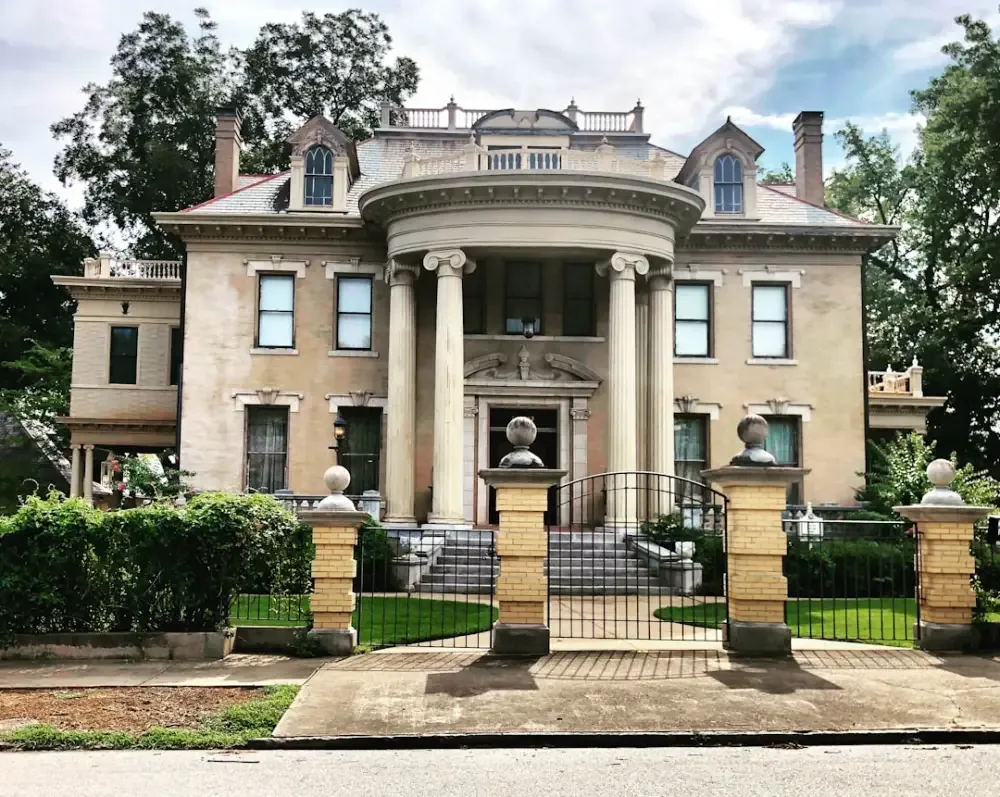
The shift is not merely about exclusivity; it is about authenticity. While a corporate hotel is built to a brief, a private family estate is grown over generations. These properties are the last bastions of a 'lived-in' luxury, where the walls hold memories rather than just art, and the hospitality feels less like a transaction and more like an invitation into a private world. In these heritage-rich environments, luxury is not something that is applied to the surface; it is woven into the very fabric of the building’s history.
The Architecture of Intimacy and Idiosyncrasy
One of the most striking differences between a boutique heritage hotel and a global luxury brand is the architectural narrative. Corporate luxury often relies on 'safe' design—aesthetic choices that appeal to the widest possible demographic while offending none. In contrast, private family estates are often gloriously idiosyncratic. They possess architectural quirks that a modern developer would likely iron out: a hidden staircase, a library with mismatched first editions, or a courtyard that has weathered three centuries of Mediterranean sun.
This 'architecture of intimacy' creates a sense of place that cannot be manufactured. When you stay in a family estate, you are interacting with a physical timeline. The furniture isn't sourced from a high-end catalog; it is often a collection of heirlooms, each with a story that the current host can tell. This creates a psychological shift for the guest. You are no longer a room number; you are a temporary custodian of a legacy. This feeling of belonging is the ultimate luxury in an increasingly fragmented world.
Why Heritage Estates Outperform Modern Resorts
- Unscripted Hospitality: Instead of rehearsed corporate greetings, guests interact with hosts who have a personal stake in their comfort and the estate’s reputation.
- Generational Knowledge: Family estates often come with staff or owners who know the local secrets—the best vineyard, the hidden chapel, or the specific history of a village festival.
- Architectural Integrity: These buildings weren't designed to be hotels; they were designed to be homes, offering a layout and atmosphere that feels organic rather than commercial.
- Cultural Continuity: Staying in a private estate supports the preservation of local history and traditional crafts that corporate entities often overlook.
The Table of the Host: Gastronomy as a Personal Narrative
As we have explored in previous discussions on hyper-regionality and terroir, the most authentic culinary experiences are those that are tethered to the land. Private family estates excel in this arena because their kitchens are often extensions of the estate’s own gardens and orchards. In a world where 'farm-to-table' has become a marketing cliché, family estates offer the real thing by default rather than by design.
Dining at a private estate feels less like a restaurant experience and more like a gathering. The menu isn't dictated by seasonal trends in London or New York, but by what is ripe in the backyard and what the family has been cooking for a hundred years. This is where the concept of the 'guardian of dining culture' truly comes to life. These estates preserve recipes that don’t exist in cookbooks—dishes that are specific to a single valley or even a single family lineage. To eat at the host’s table is to consume the history of the landscape itself.
The Silent Language of Heirlooms
There is a silent communication that happens within the walls of a family estate. It is found in the weight of the silver, the patina on a wooden desk, and the specific way the light hits a centuries-old fresco at dusk. These elements represent a continuity of care. In a standard luxury hotel, items are replaced when they show wear. In a family estate, wear is seen as a badge of honor—a testament to the generations of hands that have touched the same surfaces.
For the luxury traveler, this provides a sense of grounding. In an era of 'fast travel' and digital nomadism, there is a deep, primal comfort in being surrounded by things that have lasted. It suggests a slower pace of life, encouraging guests to put down their devices and engage with their surroundings on a tactile level. This is the essence of slow travel: the ability to exist in a space that demands your presence and rewards your curiosity.
Conclusion: The Future of Luxury is Personal
As the travel industry continues to evolve, the demand for authenticity will only grow. The most memorable stays are no longer those that offer the most expensive amenities, but those that offer the most profound connections. Private family estates stand at the intersection of history, culture, and personal hospitality, providing a depth of experience that a corporate entity simply cannot replicate.
By choosing a family-owned heritage stay, travelers are not just booking a room; they are participating in the preservation of a way of life. They are choosing a luxury that is measured in stories, flavors, and human connection—the kind of luxury that stays with you long after the suitcase is unpacked. In the end, the most authentic stays happen in private estates because they are the only places left where the guest is treated not as a consumer, but as a part of the family’s ongoing history.