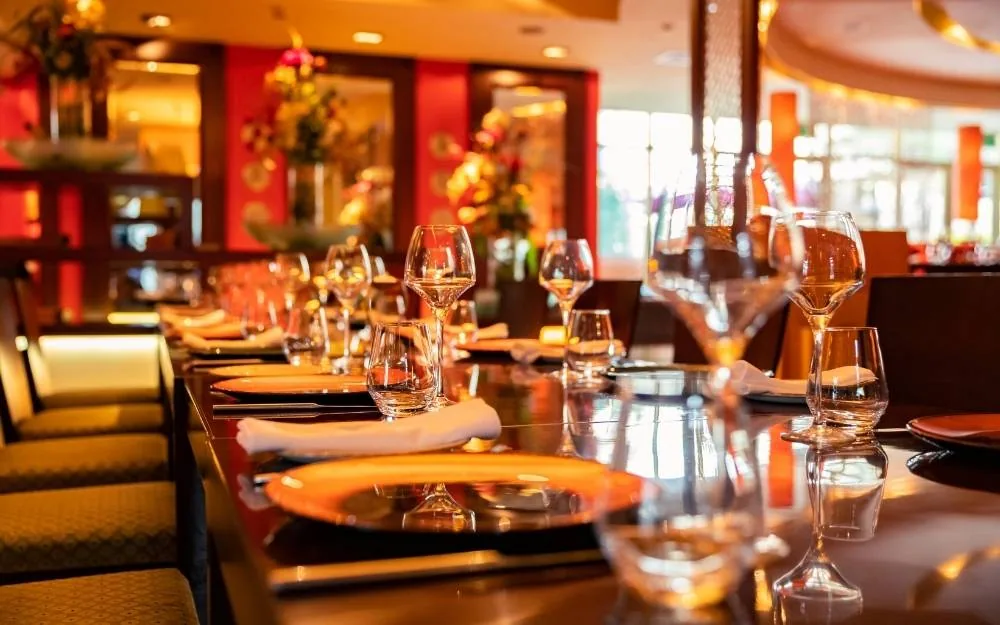
Food is more than nourishment—it is a reflection of culture, history, and human connection. Around the world, <strong>dining traditions</strong> reveal how communities celebrate togetherness, express identity, and create meaning through meals. Exploring these global practices offers not only insight into culinary diversity but also lessons that can inspire our own approach to food and dining. <h3>Sharing as a Universal Language</h3> Across cultures, one common thread is the act of sharing. In many Asian countries, meals are served family-style, with multiple dishes placed at the center of the table for everyone to enjoy. This tradition emphasizes unity, cooperation, and equality at the dining table. Similarly, Mediterranean cultures highlight hospitality, where offering food and drink is seen as an essential gesture of respect and friendship. <h3>Rituals That Honor Food</h3> Dining is often tied to rituals that elevate eating from necessity to ceremony. In Japan, meals are approached with reverence—expressions of gratitude before and after eating underscore respect for nature and craftsmanship. In Ethiopia, eating from a shared platter with injera bread is a ritual that strengthens bonds, symbolizing trust and community. These traditions remind us that food is sacred and deserves mindful appreciation.