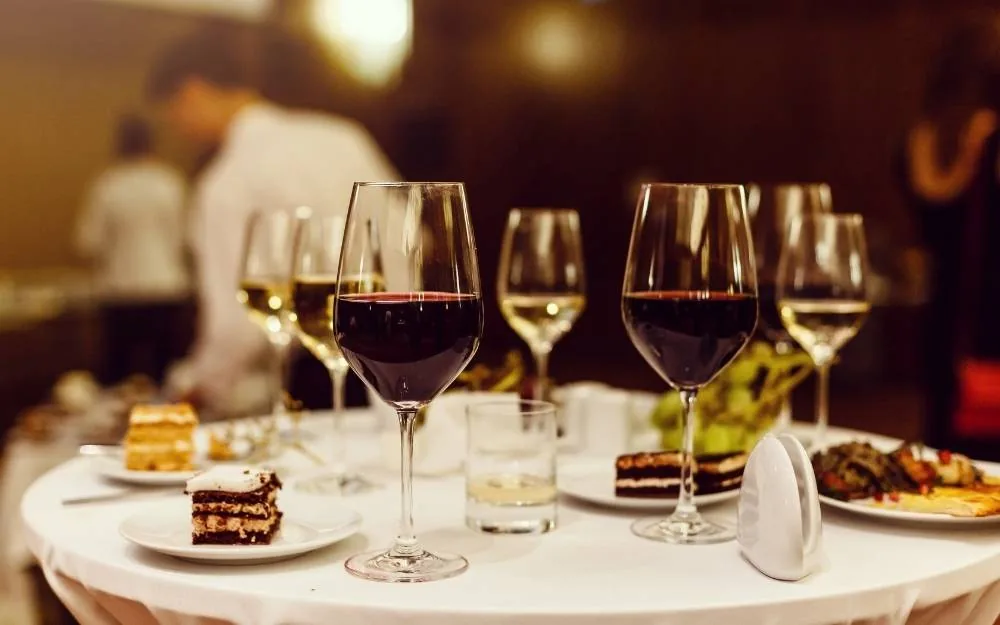
A memorable dining experience isn’t just about the food on your plate—it’s about the harmony between flavors, textures, and aromas. At the center of this harmony lies the <strong>art of wine pairing</strong>. The right glass of wine can elevate a meal, transforming ordinary dishes into extraordinary culinary moments. Whether you’re hosting a dinner party, enjoying a fine meal out, or simply exploring new flavors at home, understanding wine pairing can take your dining experiences to new heights. <h3>Why Wine Pairing Matters</h3> Wine has a unique ability to complement and enhance food. The acidity of a crisp white wine can cut through the richness of creamy sauces, while the bold tannins of a red can bring out the depth in grilled meats. Pairing isn’t just about taste—it’s about creating balance, amplifying textures, and crafting a sensory journey that lingers beyond the last bite. <h3>Principles of Perfect Pairing</h3> While wine pairing is often seen as an art, there are a few guiding principles that can help anyone master it: <ul> <li><strong>Balance Flavor Intensity:</strong> Light wines work well with delicate dishes, while bold wines pair best with stronger flavors.</li> <li><strong>Match or Contrast:</strong> You can either mirror flavors (e.g., a citrusy Sauvignon Blanc with lemon chicken) or contrast them (e.g., a sweet Riesling with spicy Asian cuisine).</li> <li><strong>Consider Texture and Weight:</strong> Rich, heavy foods call for full-bodied wines, while lighter meals are complemented by more delicate varieties.</li> <li><strong>Don’t Forget Acidity:</strong> Wines with high acidity, like Pinot Grigio or Champagne, refresh the palate and pair beautifully with fatty or fried dishes.</li> </ul> <img src=""more-posts">← All articles
Article
The Art of Wine Pairing: How to Elevate Every Dining Experience