The Homogenization of the Global Palate
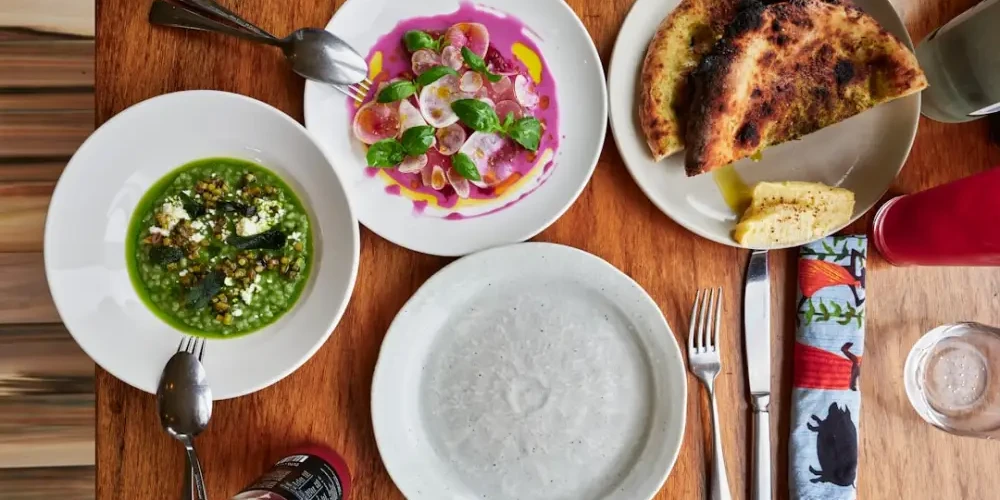
In the modern landscape of luxury travel, a curious phenomenon has taken hold: the ‘anywhere’ aesthetic. From the glass towers of Dubai to the minimalist lofts of New York, the high-end dining experience has become increasingly standardized. You know the hallmarks—the same imported wagyu, the same truffle-infused foams, and the same sleek, contemporary interiors that could exist in any time zone. While technically proficient, this brand of luxury often lacks a soul. It is a curated performance rather than a living tradition.
As global chains prioritize scalability and brand consistency, the nuances of local culture are frequently sacrificed. In this climate, boutique heritage hotels have emerged as more than just places to sleep; they have become the last guardians of real dining culture. These establishments—often housed in centuries-old palazzos, converted monasteries, or ancestral estates—are uniquely positioned to protect the fragile link between history, geography, and the dinner plate.
The Architecture of Taste: Why History Matters
The concept of ‘terroir’ is usually reserved for wine, but boutique heritage hotels apply it to the entire guest experience. When you dine in a room that has hosted generations of the same family, the food tastes different. It isn’t just about the recipe; it is about the context. Heritage hotels are physical archives of a region’s history, and their kitchens function as the beating heart of that preservation.
Unlike the sterile, centralized kitchens of major hotel groups, the kitchens in heritage properties are often built around the original hearths or larders of the estate. This architectural connection dictates a specific way of cooking. It encourages slow methods—braising, fermenting, and open-fire roasting—that modern efficiency-driven models have largely abandoned. By maintaining these physical spaces, heritage hotels ensure that the culinary techniques required to utilize them are not lost to time.
Preserving the ‘Silent Recipes’ of the Region
The Custodians of Oral Tradition
Many of the world’s most profound culinary traditions were never written down in glossaries or cookbooks. They were passed from hand to hand, from nonna to daughter, or from head gardener to apprentice. As the world urbanizes, these ‘silent recipes’ are at risk of vanishing. Boutique heritage hotels often act as the final refuge for this knowledge.
Because these hotels are deeply rooted in their specific communities, they often employ staff who have lived in the area for decades. The kitchen becomes a place where ancestral knowledge is validated. Whether it is the specific way a certain wild herb is foraged or the exact timing of a seasonal harvest, heritage hotels prioritize these micro-traditions over global trends.
The Power of Hyper-Locality
While ‘farm-to-table’ has become a marketing buzzword, for a boutique heritage hotel, it is often the only logical way to operate. Many of these properties were historically self-sufficient estates. By reviving their own olive groves, vineyards, and vegetable gardens, they bypass the global supply chain that homogenizes flavor. They don’t just serve local food; they serve the specific DNA of their own soil.
What Defines a Culinary Heritage Guardian?
To understand why these properties are essential to the survival of dining culture, one must look at the specific pillars they uphold. A true heritage dining experience is defined by:
- Seasonal Rhythms: Refusing to serve out-of-season produce, even if the guest expects it, to honor the natural cycle of the land.
- Ingredient Integrity: Prioritizing heirloom varieties of vegetables and grains that lack the visual perfection of commercial produce but offer superior flavor profiles.
- Ritual and Service: Maintaining the formal or communal dining rituals that reflect the social history of the region.
- Micro-Regionality: Focusing on dishes that are specific to a village or a valley, rather than a whole country.
The Shift Toward Meaningful Consumption
We are currently witnessing a shift in what travelers define as luxury. The novelty of the ‘exclusive’ and the ‘expensive’ is wearing thin. Today’s discerning traveler seeks the ‘rare’ and the ‘authentic.’ In this new hierarchy of value, a dish made from a recipe that has survived three centuries is far more luxurious than a dish topped with gold leaf.
Boutique heritage hotels offer an antidote to the digital fatigue of the modern world. They provide a sensory anchor. When you sit down to a meal that reflects the history of the walls around you, you aren’t just consuming calories; you are participating in a cultural continuity. You are helping to ensure that a specific way of life remains viable in an increasingly uniform world.
Conclusion: Choosing Heritage as an Act of Preservation
The survival of real dining culture depends on our choices as travelers and diners. Every time we choose a boutique heritage hotel over a standardized luxury chain, we are voting for the preservation of diversity. We are supporting the small-scale farmer, the local artisan, and the chef who refuses to compromise on tradition.
These hotels are the gatekeepers of our collective culinary memory. They remind us that food is not just a commodity, but a language—a way of communicating who we are and where we come from. In an era where the world feels smaller and more similar than ever, the distinct, storied tables of heritage hotels are where the true spirit of travel still lives.
Related Posts
How to plan a gourmet food tour that actually feels authentic
Stop booking generic food tours. Learn…

Understanding Terroir: A Practical Guide to Tasting the Landscape
Learn how terroir translates the spirit…