The Manufactured Myth of the ‘Gourmet’ Food Tour
In the age of Instagrammable plating and influencer-driven ‘must-visit’ lists, the concept of a gourmet food tour has become dangerously diluted. What was once a quest for the soul of a culture has, in many luxury circles, devolved into a sanitized, predictable circuit of high-end tasting rooms and Michelin-starred establishments that offer the same globalized standard of ‘fine dining.’ If you are looking for white tablecloths and a menu that looks the same in Paris as it does in Tokyo, you aren’t looking for a food tour; you are looking for a sanctuary from the real world.
True luxury in gastronomy isn’t about the price tag or the number of accolades on the door. It is about access to the unadulterated, the hyper-regional, and the historically significant. To plan a gourmet food tour that actually feels authentic, you have to stop being a consumer and start being an investigator. You have to be willing to trade the comfort of a five-star concierge recommendation for the uncertainty of a back-alley osteria or a producer’s cellar.
Stop Outsourcing Your Palate to Algorithms
The first mistake most travelers make is relying on crowd-sourced review platforms. Yelp, TripAdvisor, and even certain high-profile ‘Best Of’ lists are governed by the law of averages. They reward consistency and accessibility, which are often the enemies of authenticity. An authentic culinary experience is frequently inconsistent, loud, and perhaps even a little difficult to navigate. If a restaurant has ten thousand five-star reviews, it is no longer a local secret; it is a well-oiled machine designed to process tourists.
Instead of looking at what is popular, look at what is persistent. Seek out the institutions that have served the same three dishes for forty years. These are the places that have survived not because of a marketing budget, but because they have become essential to the fabric of their community. Authenticity is found where the locals are willing to wait in line alongside you—not because it’s ‘trendy,’ but because it tastes like home.
The ‘Fixer’ Strategy: Hire a Person, Not a Company
If you want a truly elevated experience, stop booking ‘tours’ from large agencies. These companies often have kickback agreements with the restaurants they visit, ensuring you see a curated version of the city that benefits their bottom line. To find the real heart of a region’s food culture, you need a ‘fixer.’
A fixer is someone whose primary profession isn’t necessarily tourism. They might be a local wine producer, a culinary historian, or a retired chef. They don’t have a scripted route; they have a network. When you hire someone with deep roots in the community, you aren’t just buying a meal; you are buying a seat at a table that isn’t usually for sale. This is the difference between seeing a kitchen and being invited to taste the sauce directly from the pot.
How to Spot a Genuine Culinary Experience
When vetting locations or guides for your journey, look for these indicators that you are on the right track:
- The Menu is Minimalist: A restaurant that tries to do everything usually does nothing well. Look for menus that change daily based on what was available at the market that morning.
- Zero ‘International’ Options: If a traditional Italian trattoria offers a Caesar salad or a burger ‘for the kids,’ walk out. Authenticity requires an uncompromising stance on tradition.
- Language Barriers are Present: If the staff speaks perfect, accented-free English and offers a translated menu with photos, you are in a tourist trap. The best meals often require a bit of gesturing and a leap of faith.
- The Producer is the Hero: Authentic gourmet tours should spend as much time at the source—the farm, the vineyard, the dairy—as they do at the table.
Embrace the Luxury of the ‘Unrefined’
There is a pervasive misconception that ‘luxury travel’ must always be synonymous with ‘refinement.’ In the world of gastronomy, this is a fallacy. Some of the most profound culinary experiences are found in settings that are decidedly un-luxurious. A plastic stool in a bustling market in Oaxaca or a standing-room-only cicchetti bar in Venice can offer more gastronomic insight than a ten-course tasting menu in a hushed dining room.
The luxury lies in the quality of the ingredient and the mastery of the technique, not the upholstery of the chair. When you prioritize the sensory experience over the aesthetic one, you open yourself up to the ‘terroir’ of a place. You begin to understand how the soil, the climate, and the history of a region dictate what ends up on the plate. This is the ‘Hyper-Regionality’ that defines true gourmet travel.
Timing is Everything: Follow the Local Rhythm
An authentic food tour respects the clock of the culture it is visiting. You cannot expect an authentic Spanish experience if you are looking for dinner at 6:00 PM. To eat authentically, you must live authentically. This means adjusting your internal clock to match the rhythm of the locals. Eat when they eat, and more importantly, eat what they eat at that specific time.
- Research the ‘Blue Collar’ Breakfast: What do the people working the markets eat at 5:00 AM? That is often the most honest meal in the city.
- Respect the Siesta: If a town shuts down in the afternoon, don’t look for the one place that stays open for tourists. Wait for the evening reopening when the energy returns.
- The Sunday Tradition: In many cultures, Sunday lunch is the pinnacle of the culinary week. Find where the multi-generational families are gathering.
The Argument for Culinary Discomfort
Ultimately, the reason most food tours feel fake is that they are designed to be comfortable. They remove the friction of travel. But friction is where the magic happens. It is the struggle to translate a menu, the heat of a crowded kitchen, and the unfamiliarity of a pungent local cheese that creates a lasting memory. If your food tour doesn’t challenge your palate or your expectations, it isn’t a tour—it’s a catered lunch. To truly celebrate culinary tradition, you must be willing to meet it on its own terms, without filters and without apologies.
Related Posts
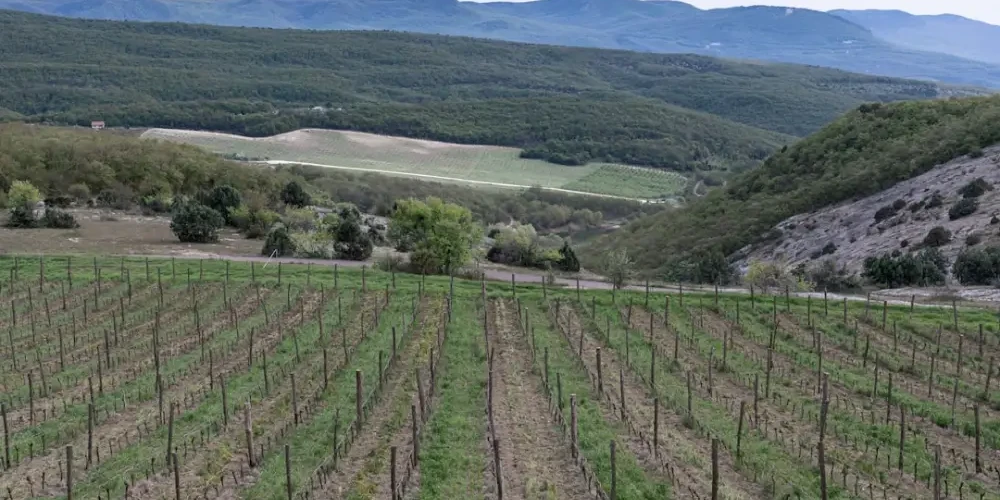
Understanding Terroir: A Practical Guide to Tasting the Landscape
Learn how terroir translates the spirit…