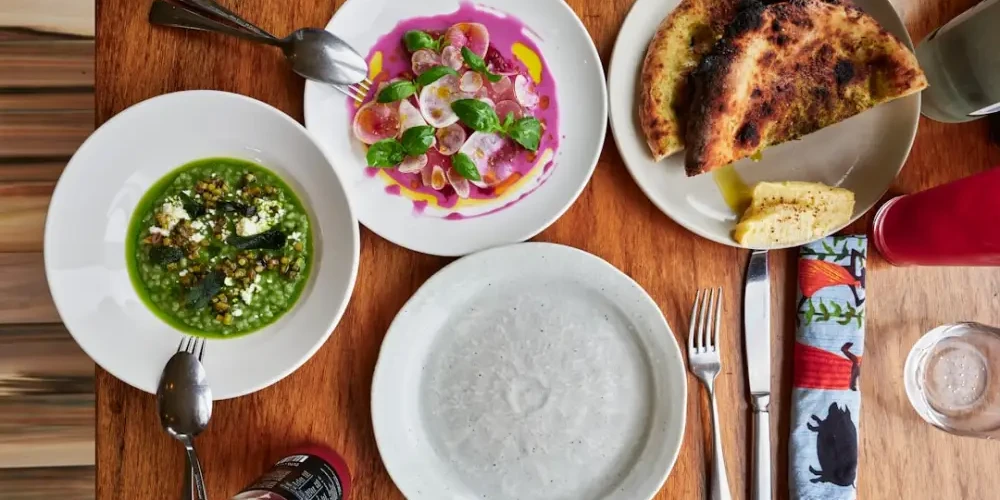
The Memory of the Landscape: Understanding Terroir
In the world of luxury travel and fine dining, we often hear the word ‘terroir.’ While it is frequently associated with wine, terroir is actually a much broader concept. It is the sensory memory of a landscape, captured in a bottle or served on a plate. It is the way a specific patch of earth, the tilt of a hill, and the local traditions of a region manifest as flavors, aromas, and textures. When we talk about terroir, we are talking about how a place speaks to us through our senses.
Understanding terroir doesn’t require a degree in geology or viticulture. Instead, it requires a practical approach to mindfulness and an openness to the environment. By learning to translate the spirit of a place into sensory language, you can transform every meal into a deep exploration of the destination you are visiting. This guide offers practical steps to help you identify, appreciate, and remember the unique ‘fingerprint’ of the landscapes you encounter.
The Four Pillars of Terroir
Before you can begin to taste the landscape, it helps to understand what elements create it. Terroir is generally composed of four primary factors that work in harmony:
- Soil Composition: Different minerals in the earth—such as limestone, slate, or volcanic ash—impart distinct characteristics to the products grown there.
- Climate and Microclimate: The amount of sunlight, rainfall, and temperature fluctuations dictates the ripeness and acidity of the harvest.
- Terrain: The elevation, slope, and proximity to bodies of water influence how plants interact with their environment.
- Human Tradition: The specific techniques passed down through generations of farmers and artisans are the final brushstrokes on the landscape’s portrait.
Practical Tip: Look for the ‘Sense of Place’
When you arrive in a new region, take a moment to look at the physical landscape. Are there rocky cliffs? Is the air salty from the sea? Is the soil dark and rich or pale and sandy? By observing the physical environment first, you will have a better context for the flavors you encounter later at the table.
How to Experience Terroir: A Step-by-Step Approach
To truly connect with the spirit of a place, you need to engage your senses intentionally. Use these practical steps during your next fine dining experience or wine tasting to translate the landscape into language you can understand.
1. Start with the Aroma
Our sense of smell is the most direct link to memory. Before you take a bite or a sip, close your eyes and inhale. Does the wine smell like damp earth after a rain? Does the olive oil carry the scent of wild herbs growing on a nearby hillside? These ‘earthy’ or ‘herbaceous’ notes are the direct translations of the local flora and soil.
2. Evaluate the Texture and Weight
The landscape dictates the ‘mouthfeel’ of a product. In cooler climates, you might notice a crisp, sharp acidity that feels like a cold mountain breeze. In warmer, sun-drenched regions, the flavors might feel heavier, richer, and more velvety. Pay attention to how the food or wine physically feels on your palate; this is the climate speaking to you.
3. Identify the Minerality
Minerality is often described as the taste of wet stones, chalk, or even a metallic tang. This is the most direct way soil translates into flavor. When you taste a crisp white wine from a coastal region and notice a subtle saltiness, you are tasting the proximity of the ocean and the mineral-rich soil of the coast.
Practical Ways to Deepen Your Connection
If you want to move beyond being a passive consumer and become a true student of the landscape, consider these actionable strategies during your travels:
- Visit Local Markets Early: There is no better way to see the raw materials of terroir than at a morning market. Look at the colors of the vegetables and the variety of local cheeses. Ask the vendors which village their products come from.
- Engage in Vertical Tastings: If you are at a winery, ask for a vertical tasting of the same wine from different years. This allows you to see how the weather of different seasons (the ‘vintage’) changes the expression of the same piece of land.
- Seek Out Indigenous Varieties: Every region has plants that have adapted to that specific environment over centuries. Whether it is an ancient grape variety or a rare heirloom tomato, these products are the clearest messengers of the local spirit.
- Ask About the ‘Why’: When dining at a fine restaurant, ask the sommelier or the server why a particular pairing works. Often, the answer lies in the shared terroir of the food and the wine.
Preserving the Memory of the Landscape
The ultimate goal of understanding terroir is to create a lasting memory of your journey. While the meal will eventually end, the sensory experience can be preserved. We recommend keeping a simple culinary journal. Instead of just writing ‘the wine was good,’ try to describe the landscape it reminded you of. Did it taste like the sun on a dusty road? Did it feel like the cool shade of a forest?
By practicing this sensory translation, you stop merely visiting a place and start internalizing it. You begin to see that luxury isn’t just about the price of the bottle or the prestige of the restaurant; it’s about the profound connection between the earth, the maker, and your own palate. This is the true language of the senses—a memory of the landscape that stays with you long after you have returned home.
Related Posts
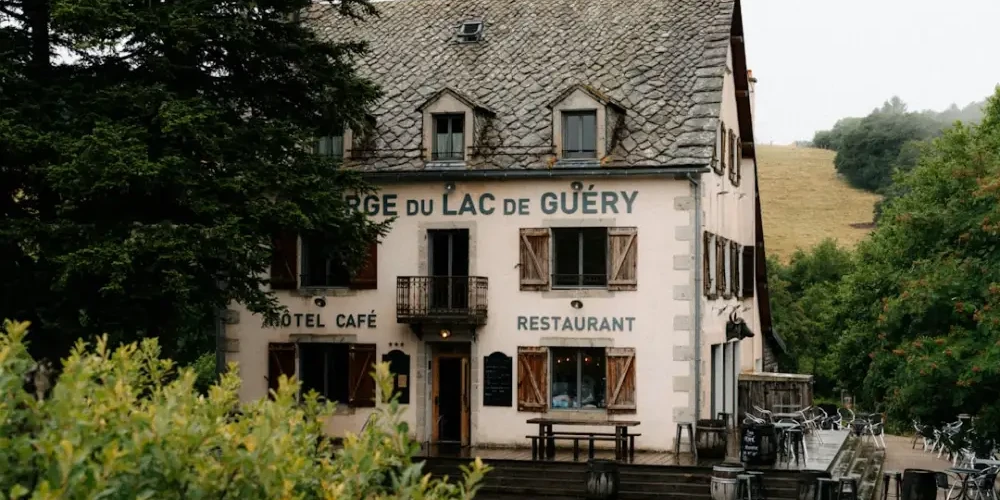
Why boutique heritage hotels are actually the last guardians of real dining culture
Explore how boutique heritage hotels…
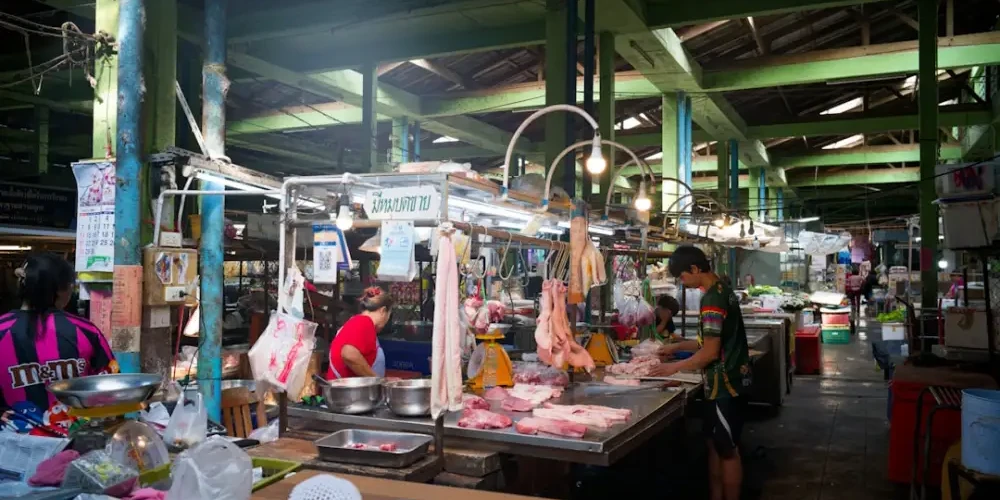
How to plan a gourmet food tour that actually feels authentic
Stop booking generic food tours. Learn…