

The Quiet Evolution of the Luxury Palate
For decades, the definition of luxury in the culinary world was synonymous with a certain kind of predictable excellence. No matter where you were in the world—be it a penthouse in Manhattan, a terrace in Dubai, or a private villa in the Maldives—the hallmarks of fine dining remained remarkably consistent. We looked for the same French techniques, the same prestigious labels of Champagne, and the same rare ingredients like Wagyu beef or Almas caviar. It was a globalized luxury, a shared language of opulence that offered comfort through familiarity.
This shared appreciation for the land often strengthens the social bonds over meals, transforming a simple dinner into a profound moment of collective discovery.
However, a quiet shift is occurring. The modern traveler, weary of the polished but often soulless uniformity of international high-end dining, is looking for something deeper. We are witnessing a transition from the ‘global’ to the ‘hyper-regional.’ This is not merely a trend toward local sourcing; it is a profound philosophical turn toward the specific, the rare, and the untranslatable essence of a single coordinate on a map.
The Soul of the Specific: Beyond the Global Menu
Hyper-regionality is the art of celebrating what can only exist in one place. It is a rejection of the idea that luxury can be imported. Instead, it suggests that true luxury is found in the intimacy of a landscape and the hands that have tended it for generations. At Corte Dei Pandolfi, we have always believed that food and wine are the greatest storytellers of culture, and today, those stories are becoming more focused and more detailed than ever before.
In this new era, the luxury palate no longer seeks the ‘best’ version of a universal dish. Instead, it seeks a dish that is the only version of itself. It is the difference between drinking a high-quality Chardonnay and drinking a wine made from a forgotten indigenous grape variety grown on a single sun-drenched limestone slope in Puglia. One is an exercise in technical perfection; the other is a liquid map of a specific moment and place.
The Intimacy of Terroir and Tradition
This shift toward hyper-regionality is, at its heart, a search for authenticity in an increasingly digital and homogenized world. When we travel, we no longer want to feel like we could be anywhere; we want to feel exactly where we are. This has led to a resurgence of interest in ancient techniques—fermentation methods unique to a specific valley, or the use of wild botanicals that only grow in a particular coastal microclimate.
Luxury is being redefined as ‘the rare’—not rare because it is expensive, but rare because it is fleeting and geographically bound. It is the luxury of eating a fruit that cannot survive transport, or tasting a cheese that is only made during the three weeks the cows graze on high-altitude summer wildflowers. This is the intimacy of terroir, where the boundaries between the land and the plate begin to dissolve.
Why Hyper-Regionality Resonates Today
Why is this shift happening now? Perhaps it is because we have reached a point of ‘peak globalization.’ We have realized that while we can fly ingredients across the world, we cannot fly the soul of the place with them. There is a growing collective realization that when we lose the specific, we lose a piece of our human heritage. By choosing hyper-regional experiences, luxury travelers are participating in a form of cultural preservation.
There is also an emotional component to this shift. Hyper-regional dining requires a slower pace. It asks us to listen to the stories of the producers, to understand the history of the soil, and to appreciate the seasonal rhythms that dictate the menu. It transforms a meal from a transaction into a connection.
The Pillars of Hyper-Regional Luxury
To understand how this movement is manifesting in the world’s most exclusive dining rooms and travel destinations, we can look at several key pillars:
- Indigenous Revival: A focus on heirloom seeds, ancient grains, and native livestock breeds that were nearly lost to industrial farming.
- Micro-Seasonality: Moving beyond the four seasons to embrace ‘micro-seasons’ that might only last a few days, celebrating the exact moment a specific herb or vegetable is at its peak.
- Geographic Exclusivity: Experiences that are intentionally un-scalable, designed for a small number of guests to ensure the integrity of the local ecosystem.
- Ancestral Knowledge: Collaborating with local elders and artisans to revive cooking methods that pre-date modern technology.
The Future of Fine Dining: A Return to the Roots
As we look toward the future of luxury travel and gastronomy, it is clear that the path forward leads back to the roots. The global palate is maturing. We are no longer impressed by the ability to have anything at any time; we are impressed by the wisdom to wait for the right thing at the right time.
This quiet shift toward hyper-regionality is a celebration of diversity. It reminds us that the world is not a monolithic place, but a beautiful mosaic of distinct flavors, traditions, and stories. For the discerning traveler, the greatest luxury is no longer found in the familiar comforts of a five-star hotel, but in the discovery of a flavor that exists nowhere else on Earth. It is a return to the essence of travel: to be changed by a place, rather than asking the place to change for us.
In the end, hyper-regionality is a tribute to the human spirit and its connection to the earth. It is a reminder that the most profound experiences are often the ones that are whispered, not shouted—found in the quiet corners of the world where tradition still holds sway and the land still speaks its own language.
Related Posts
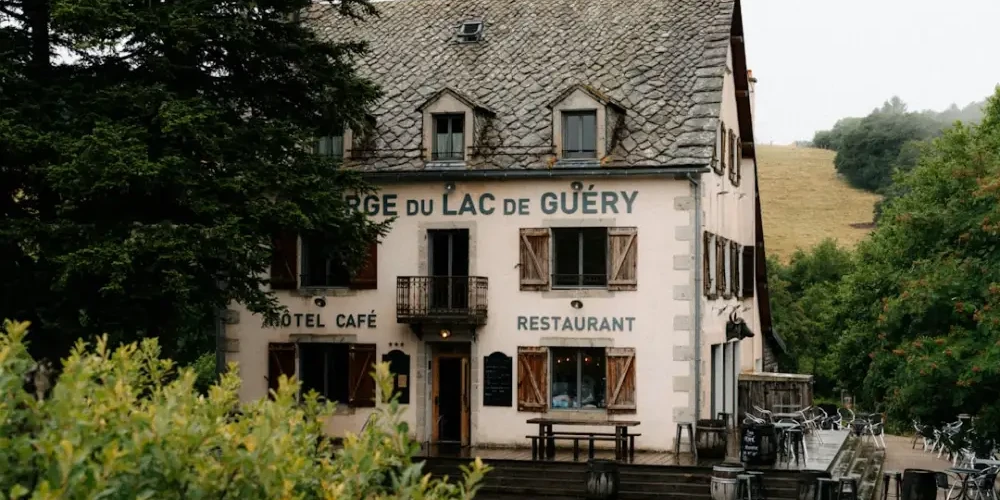
Why boutique heritage hotels are actually the last guardians of real dining culture
Explore how boutique heritage hotels…
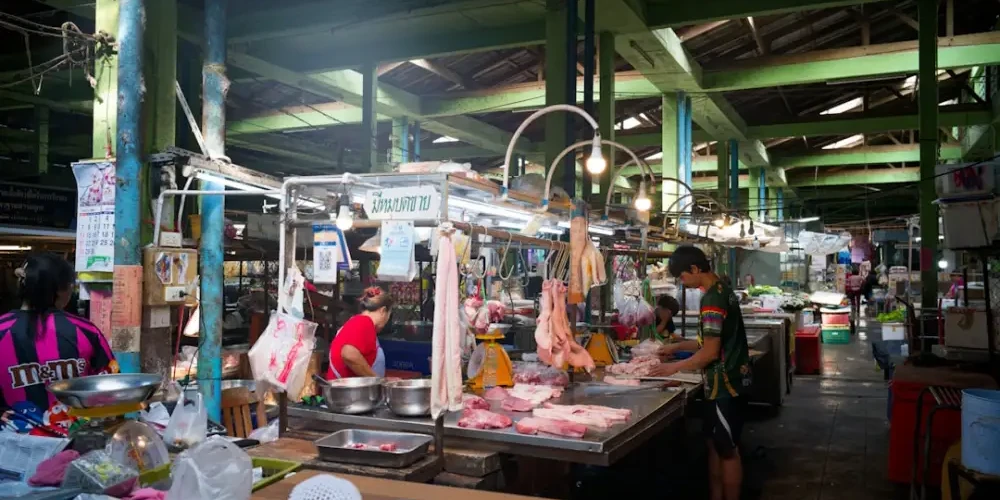
How to plan a gourmet food tour that actually feels authentic
Stop booking generic food tours. Learn…
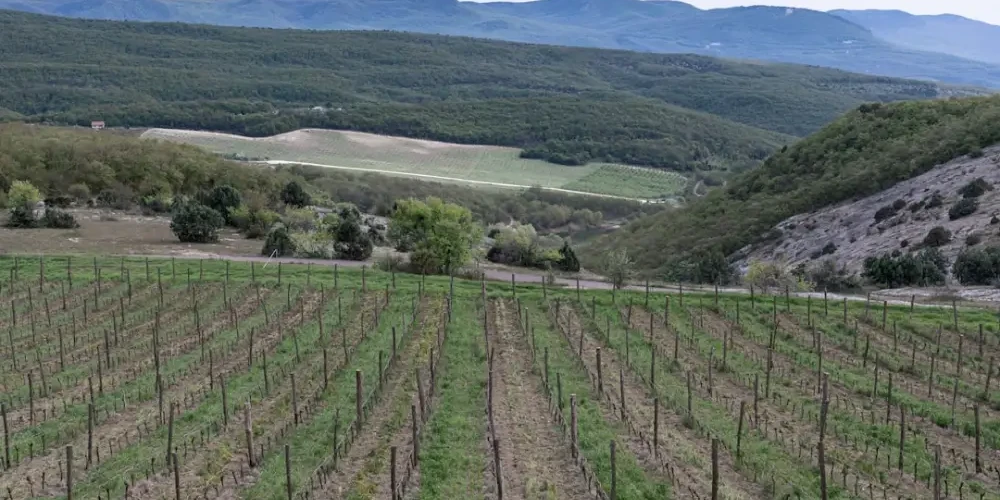
Understanding Terroir: A Practical Guide to Tasting the Landscape
Learn how terroir translates the spirit…